THE LEARNING LAB

Big discoveries start
with little questions.

Read the clues. Test an idea. Follow the evidence. You do not need to be a rocket scientist to discover what these remarkable machines can teach us.

01 / TEST YOUR KNOWLEDGE

Think like
an explorer.

5 short questions. No timer. Choose one answer, then check it to uncover the science and the sources behind it.

Every explanation leads back to an object in the collection and its source records. Getting curious matters more than getting everything right.

Browse the collection first

QUESTION 01 / 050 of 5 answered
0 / 5
A different kind of instrumentMoon

What powers the Apollo 11 laser reflector on the Moon?

Choose one answer

Select one answer. The explanation appears after you check it.

02 / LOOK A LITTLE CLOSER

Two objects. Different ambitions.

A rover and a reflector solve very different problems. Put any two objects alongside each other and see what changes.

Comparing Apollo 11 Laser Ranging Retroreflector with InSight Mars Lander.

Each menu offers different objects. On a small screen, scroll the table to see both columns.

In the collectionApollo 11 reflectorInSight
MissionApollo 11InSight
DestinationMoonMars
Equipment typeScientific instrumentsLanders
Launch
Arrival / deploymentInstrument deploymentMars landing
Mission endNo end date recorded
Date notesDates are UTC. No operational end date is assigned: this passive reflector has no onboard power supply to exhaust and remains listed by the laser-ranging service.Last communication was received on 15 December 2022. NASA declared the mission over on 21 December after two further attempts failed.
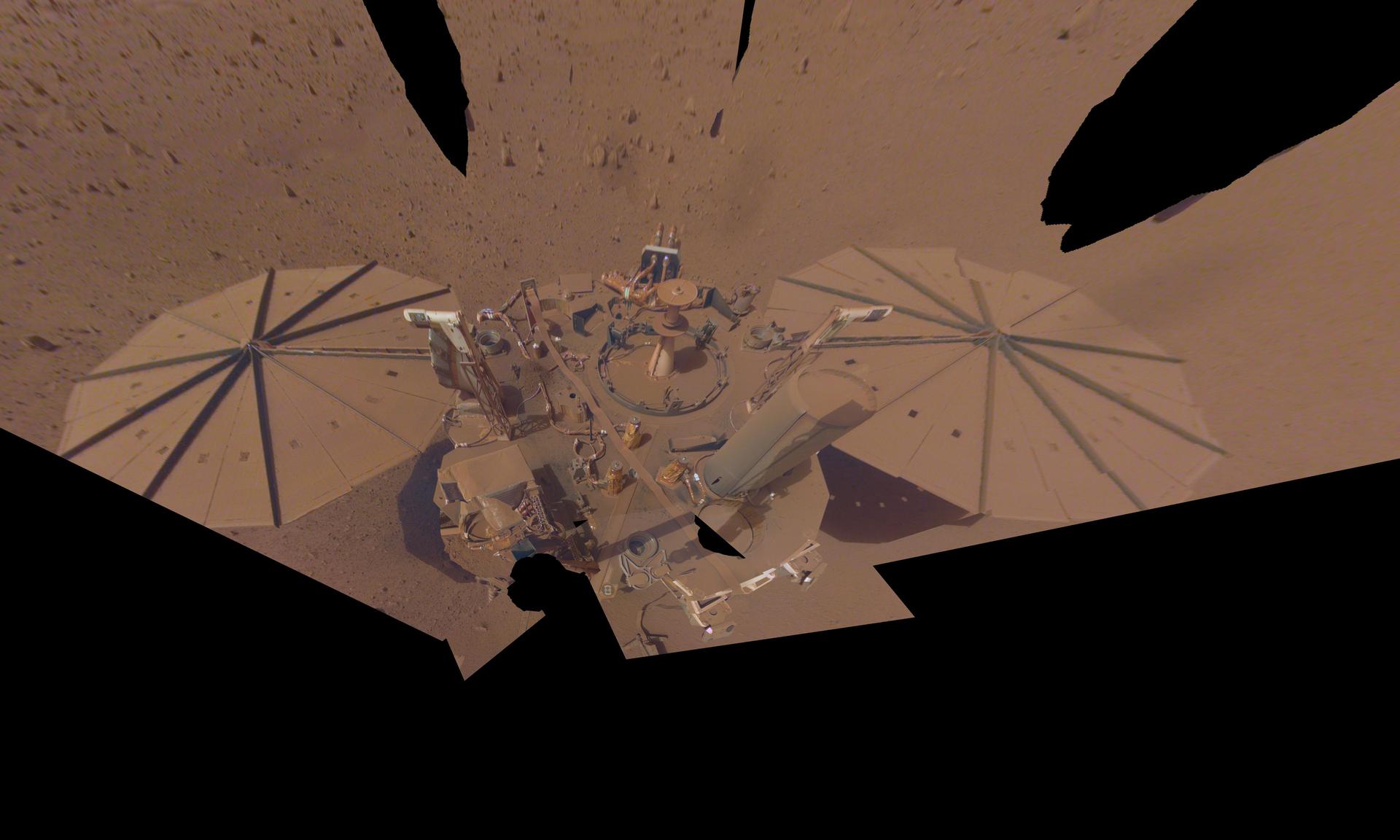
StatusPassive scienceThe reflector is not an inactive transmitter and should not be described simply as abandoned. Ground stations can still send laser pulses toward it and detect returned photons. This scientific use is not a current visual inspection of its condition.Mission completeDust reduced the solar panels’ power until the lander could no longer communicate. The mission is retired; a 2024 orbital image showing the dusty lander did not restore operations. Present detailed hardware condition is Unknown.
PurposeProvide a stable optical target for measuring the round-trip travel time of laser light between Earth and the Moon.Investigate the size, composition, and physical state of Mars’s crust, mantle, and core and measure present seismic activity and impact rates.
Read the recordProfile & sources for Apollo 11 reflectorProfile & sources for InSight
03 / TAKE YOUR CURIOSITY SOMEWHERE

Your next small discovery.

These are self-guided investigations, not tracked achievements. Open the records, follow a source, and explain what you find in your own words.

Open the atlas
FIELD NOTE / 01Moon

Find the quiet experiment.

Open the Moon in the atlas. Find the Apollo 11 reflector, then look in its profile for how scientists on Earth use it.

Start in the atlas
Reveal a hint

Look for an instrument rather than a vehicle. Read the functionality and source notes before explaining how a reflector differs from a powered transmitter.

Open Apollo 11 reflector
FIELD NOTE / 02Mars

Follow the evidence for water.

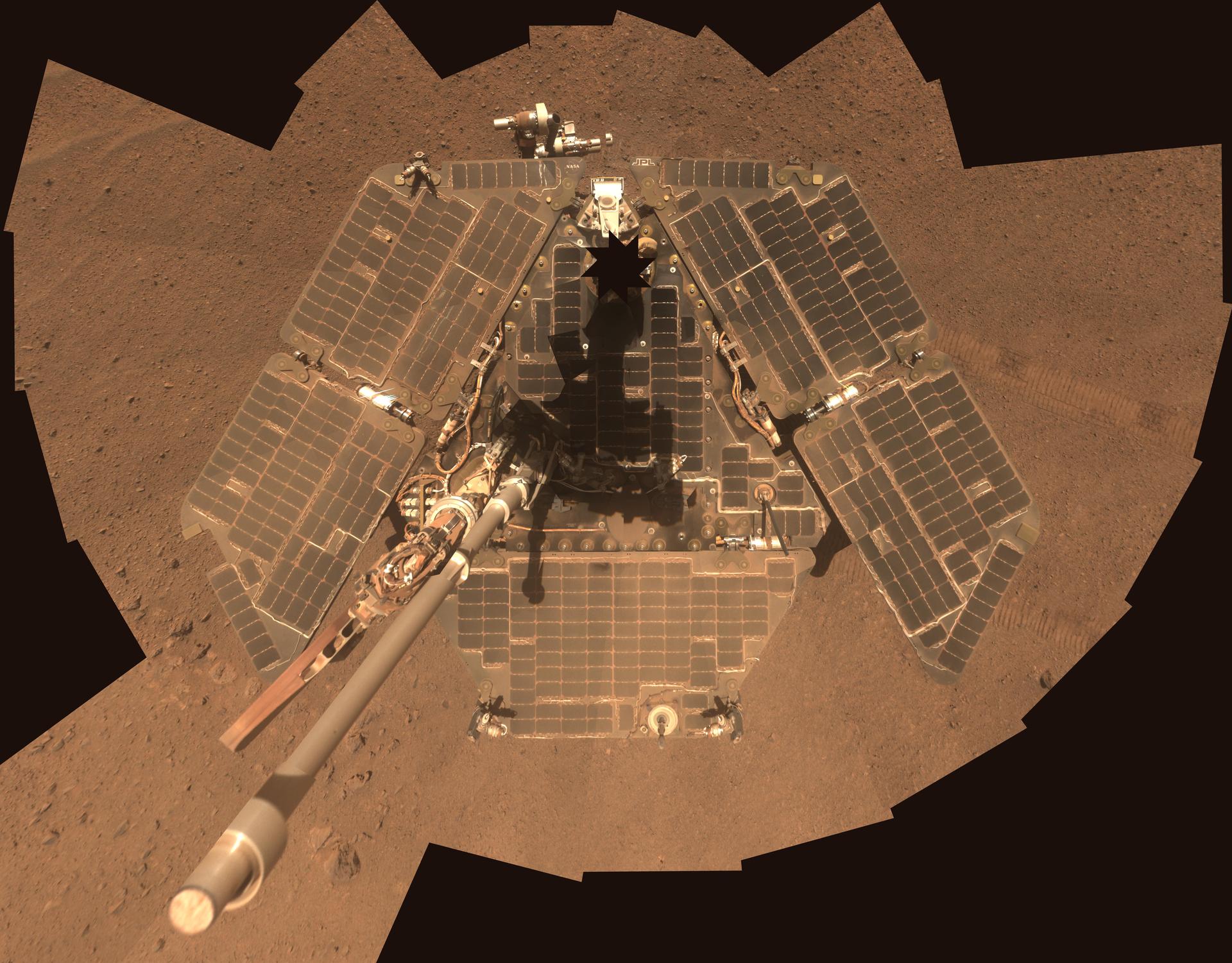
Find Opportunity on Mars. Read its discoveries and identify a rock or mineral clue that tells us about water in the past.

Start in the atlas
Reveal a hint

The evidence is in the rocks, not a photograph of an ocean. Open the scientific contributions and follow a source to check what was actually observed.

Open Opportunity
FIELD NOTE / 03Deep Space

Find a mission that never landed.

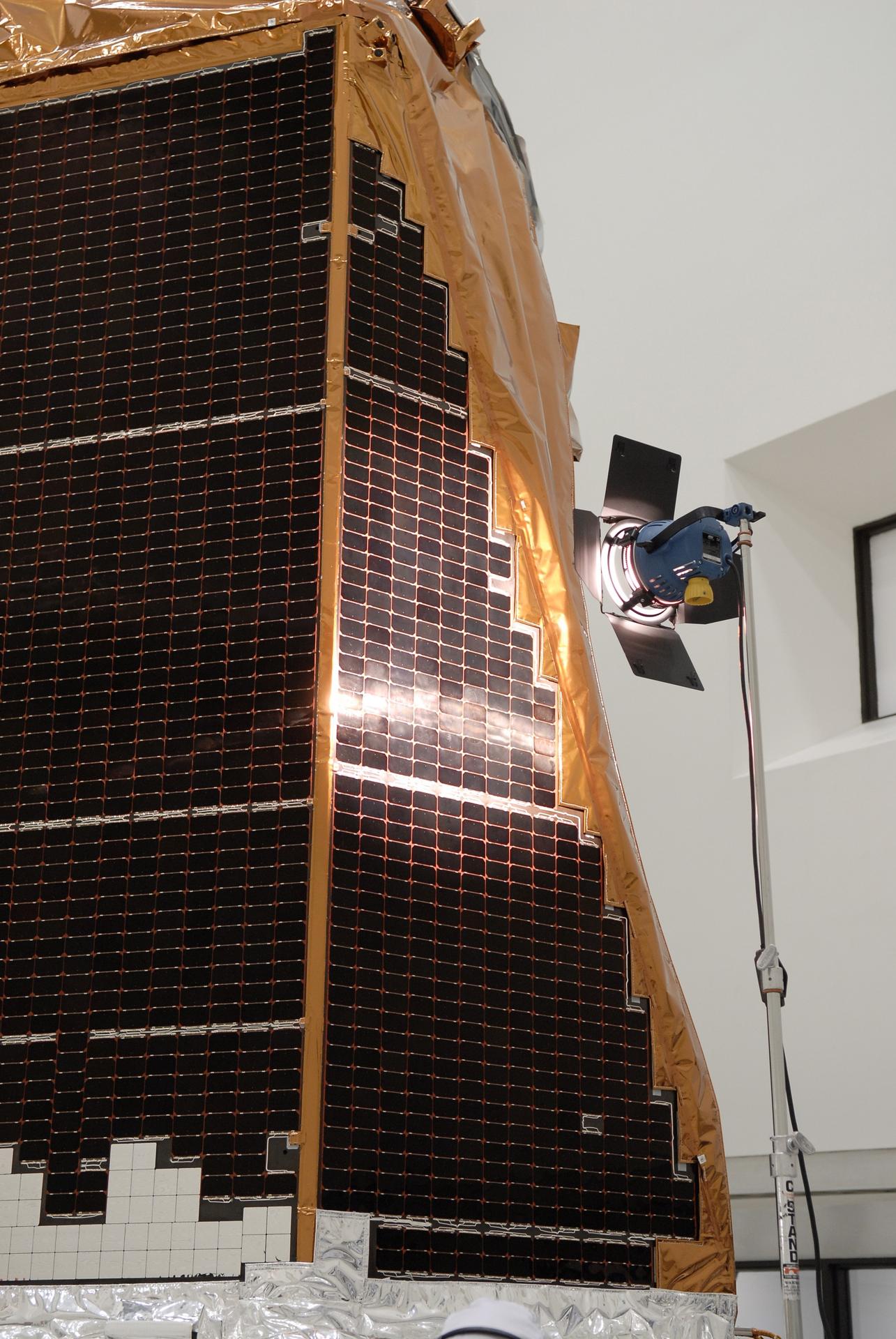
Use the atlas's deep-space register to find Kepler. Then open its profile to explain why a planetary landing pin would be misleading.

Start in the atlas
Reveal a hint

Check the location description. A spacecraft in orbit around the Sun is not equipment on a planetary surface.

Open Kepler
04 / A FEW USEFUL IDEAS

Small concepts. Wider horizons.

Three ways to turn an observation into understanding, with real instruments behind each idea.

THE SCIENCE HAS A STORY

Get to know the explorers.

Behind every answer is a mission worth spending a little more time with.

All museum objects
Mars Exploration RoverMission complete

Opportunity

A solar-powered robotic geologist that followed the mineral and rock record of ancient water across Meridiani Planum.

RoversPhoto mosaic
InSightMission complete

InSight

A geophysical station that used marsquakes and radio tracking to reveal the structure inside Mars.

LandersPhoto mosaic
Kepler / K2Mission complete

Kepler

A planet-hunting observatory that measured tiny, repeating dips in starlight and transformed our view of other solar systems.

Spacecraft and probesPhotograph