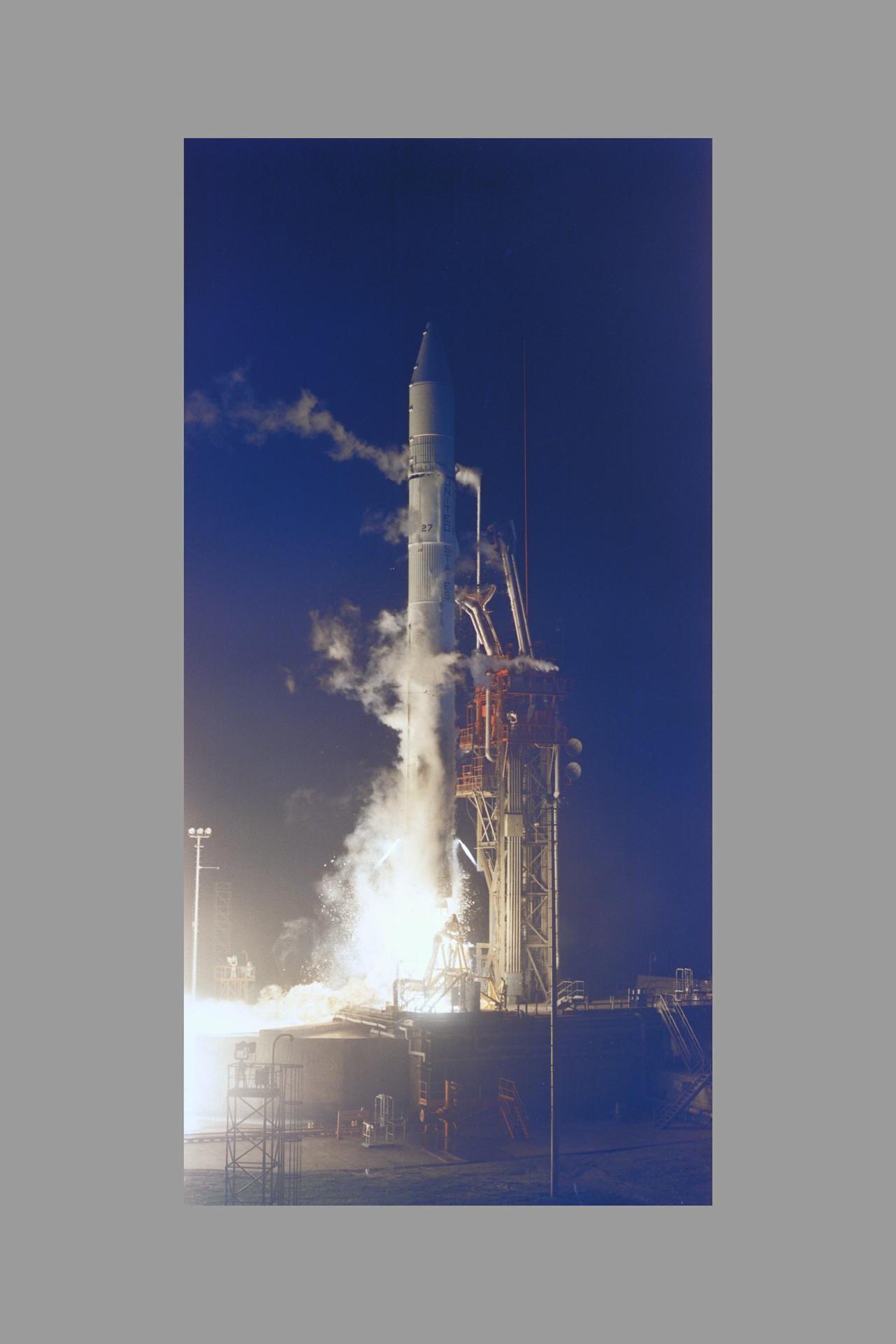
Pioneer 10
A spinning, radioisotope-powered probe that opened the route to Jupiter and then continued into deep space.
Spacecraft and probesPhotograph
A telescope that discovered planets by watching stars grow dim.
Kepler rarely saw an exoplanet directly. Instead, it watched the brightness of many stars at once and waited for a tiny repeating dip as a planet crossed in front. Even after reaction-wheel failures ended the original pointing strategy, engineers created the K2 mission and gave the same spacecraft a second scientific career.
Measure how common planets are around other stars, especially Earth-size worlds and systems whose orbital geometry produces observable transits.
A large photometer continuously measured stellar brightness. Repeated, regular dimming could indicate a planet crossing its star. The pattern revealed orbital period and, with the star’s size, helped estimate the planet’s size.
Had discovered more than 2,600 confirmed exoplanets by retirement, showing that planets are common in our galaxy.
Discovered Kepler-186f, an Earth-size planet in its star’s habitable zone; that location does not by itself prove liquid water or life.
A Delta II sends the observatory toward an Earth-trailing orbit around the Sun.
The telescope starts its sustained survey of stellar brightness.
A new pointing strategy lets Kepler continue observing after two reaction wheels fail.
NASA retires Kepler after it exhausts the fuel needed for further science pointing.
The telescope receives commands that disable its transmitters and protective fault modes.
Historical imagery, with its original context and credits. Select a photograph to look closer.
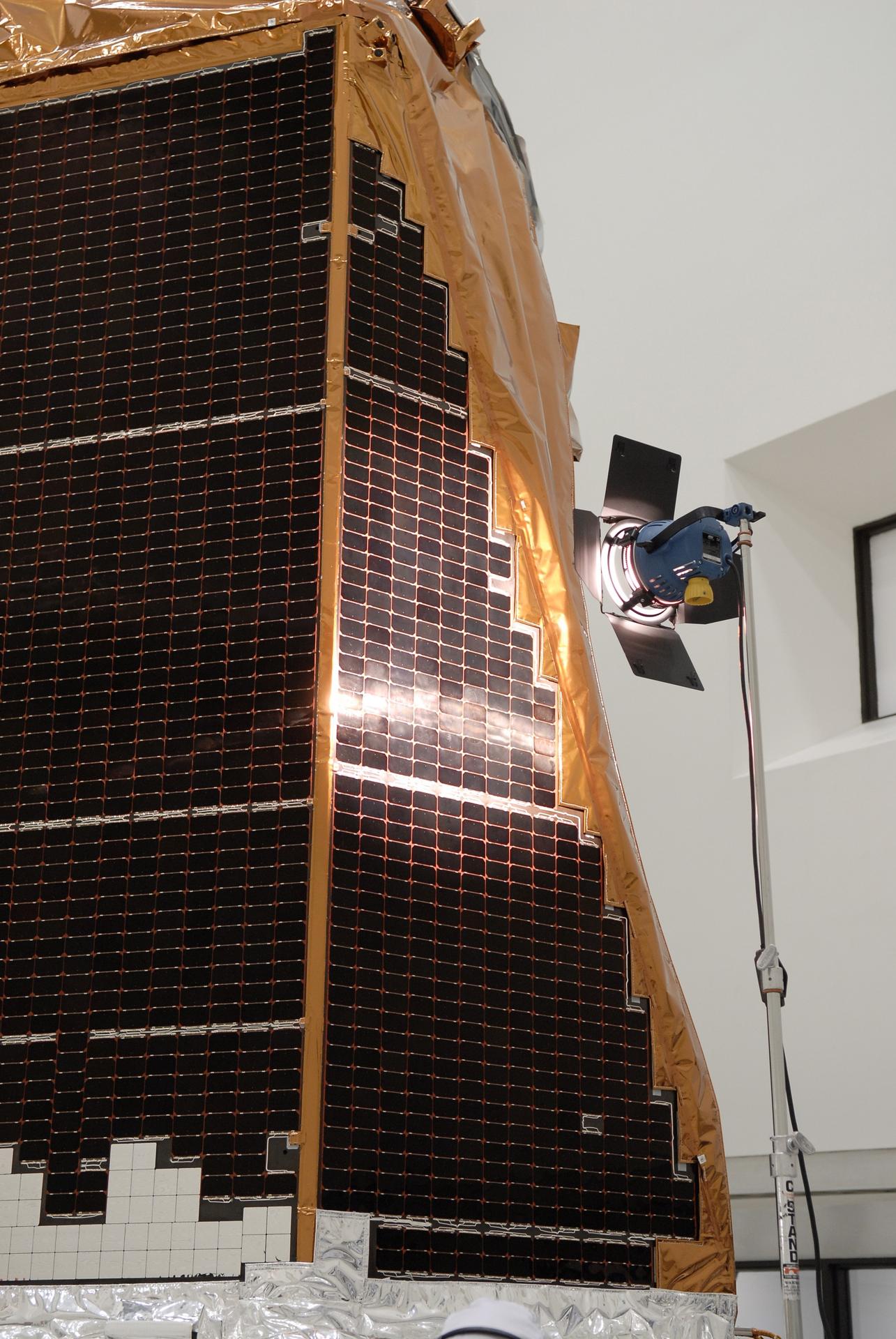
Kepler during solar-array illumination testing at Cape Canaveral on 13 January 2009. KSC-2009-1124.
NASA / Kim ShiflettOriginal archive entryEducational wording and data structuring are AI-assisted. The historical and scientific claims above are linked to the records below. No AI-generated media is used.
Supports the telescope story, science contributions, status, learning quiz, and comparison.
Drives Kepler dates, engineering explanation, trajectory wording, and no-surface-location handling.
Supports the 30 October 2018 retirement date, status, and exoplanet count.
Separates retirement announcement from final deactivation commands in the timeline.
Primary Kepler profile photograph with a prelaunch-test caption.
A spinning, radioisotope-powered probe that opened the route to Jupiter and then continued into deep space.
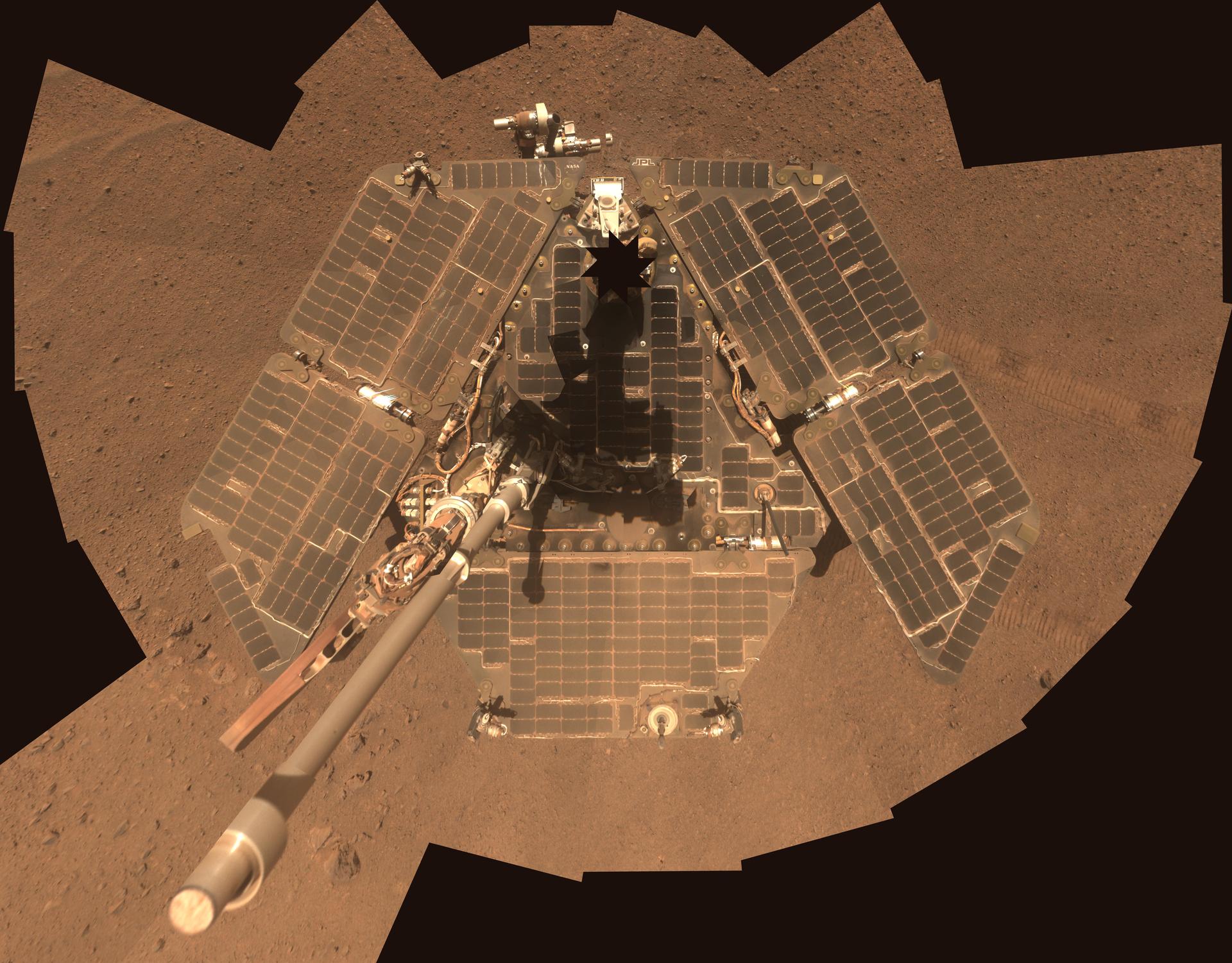
A solar-powered robotic geologist that followed the mineral and rock record of ancient water across Meridiani Planum.
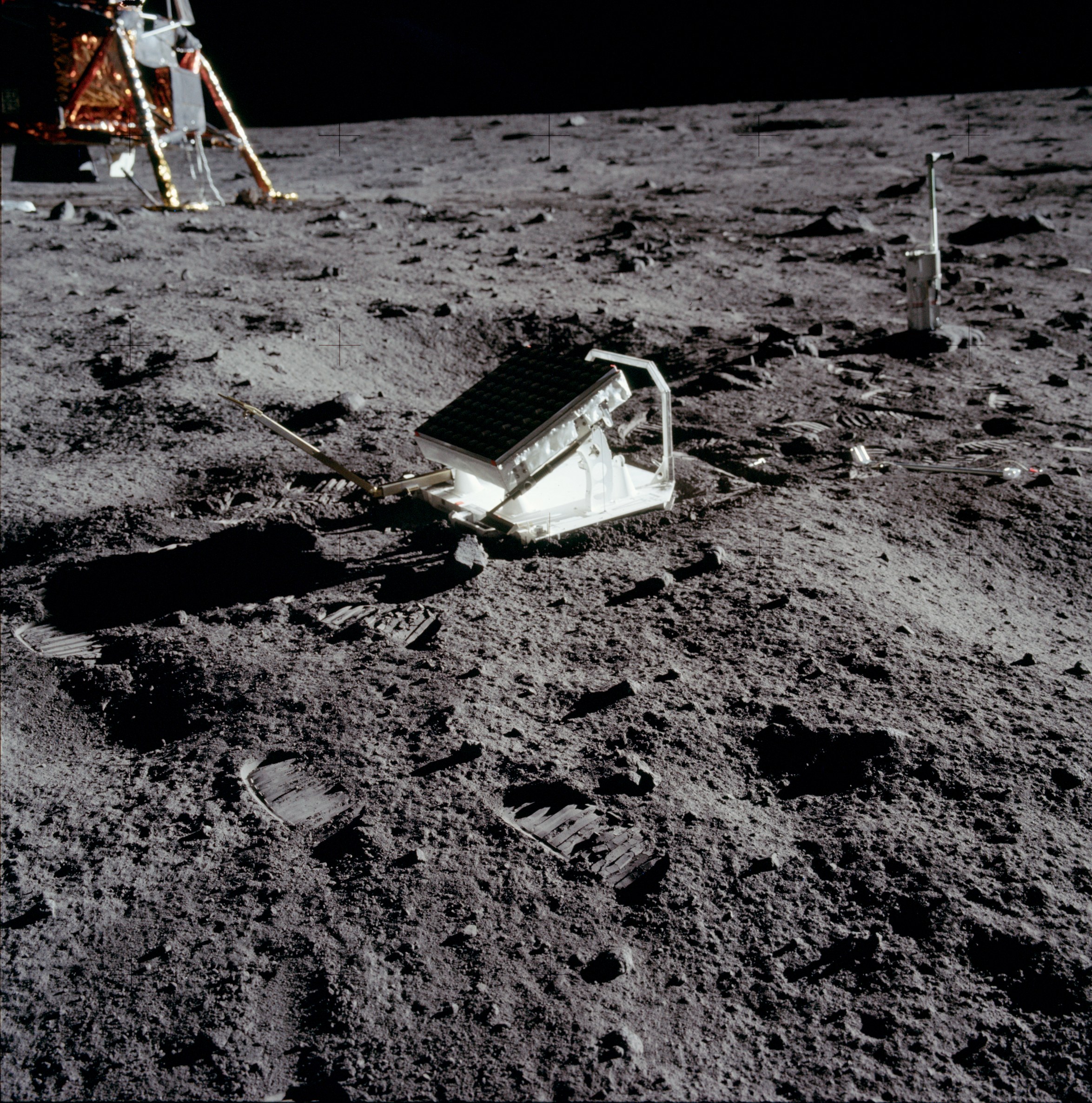
A power-free array of corner-cube mirrors still returns laser light sent from observatories on Earth.