Kepler
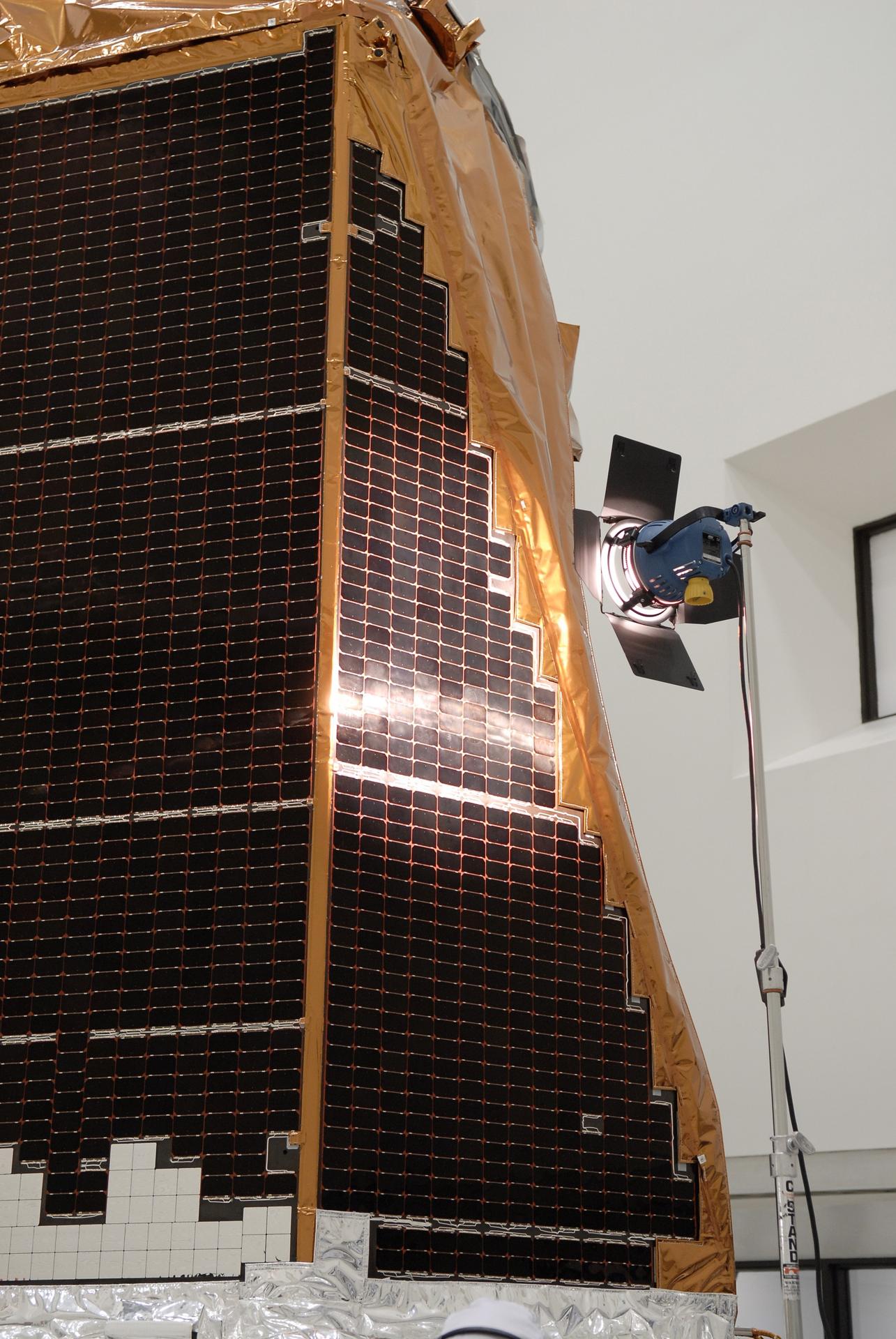
A planet-hunting observatory that measured tiny, repeating dips in starlight and transformed our view of other solar systems.
Spacecraft and probesPhotograph
The first spacecraft to cross the asteroid belt and visit Jupiter.
Pioneer 10 was sent where no spacecraft had traveled before. It crossed the main asteroid belt, survived Jupiter’s intense radiation environment, returned close-range observations, and used the planet’s gravity to continue outward. Decades later, Earth heard only a final faint carrier. The spacecraft did not land, so a pin on a planetary surface would tell the wrong story.
Measure the interplanetary environment, cross the asteroid belt, investigate Jupiter and its magnetic and radiation environment, and continue measurements beyond the giant planet.
The spacecraft spun for stability while instruments measured particles, fields, radiation, dust, and images. Radioisotope generators supplied electricity and a large high-gain antenna sent data across growing distances.
Returned the first close-range spacecraft observations of Jupiter, including hundreds of images and measurements of its atmosphere.
Measured Jupiter’s magnetic field and radiation environment and gathered particle and dust data during the first spacecraft passage through the main asteroid belt.
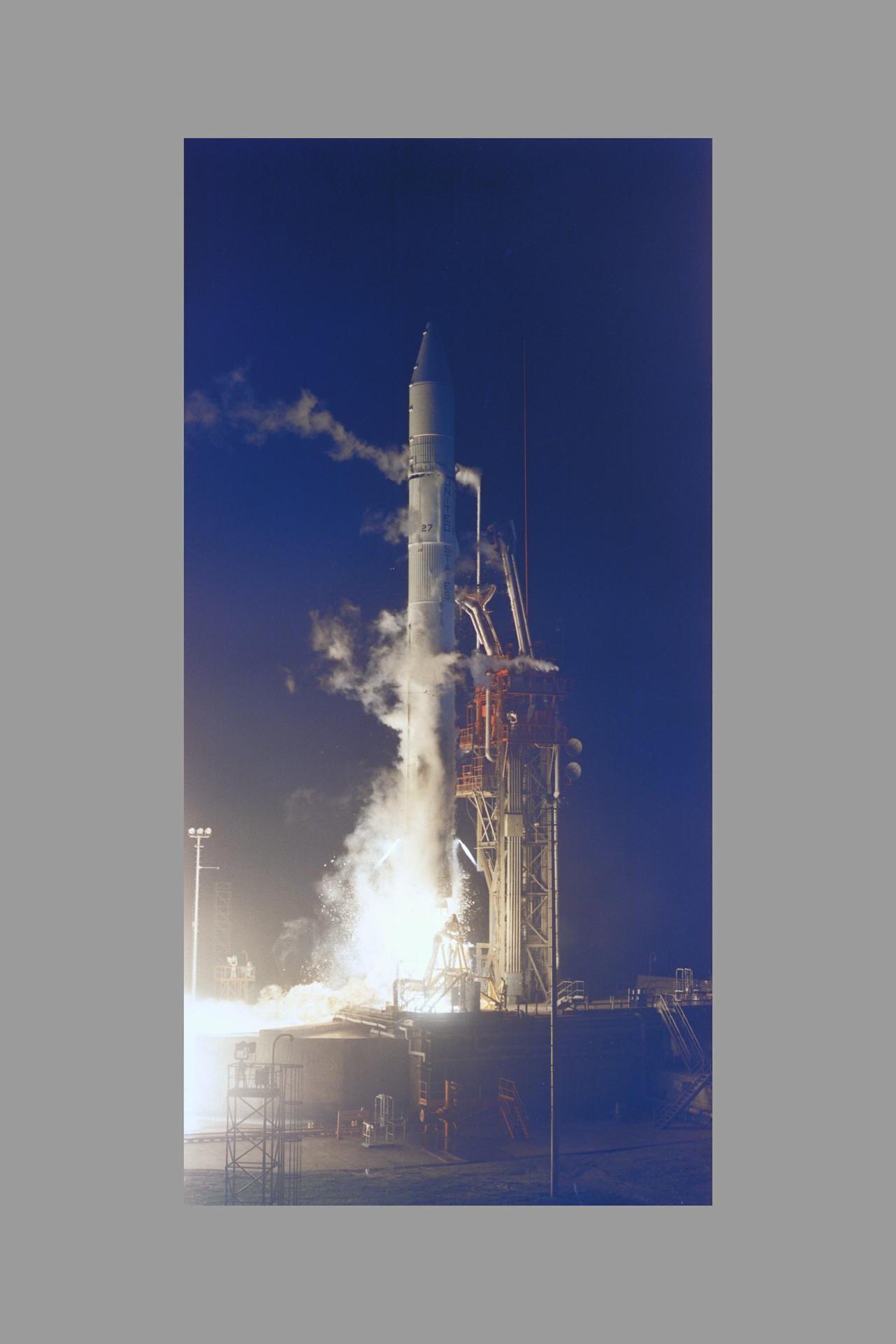
The probe leaves Florida late on 2 March local time, which is 3 March UTC.
Pioneer 10 makes humanity’s first spacecraft encounter with Jupiter.
NASA concludes routine operations, although occasional contact attempts continue.
Earth receives the last signal strong enough to carry spacecraft engineering data.
Historical imagery, with its original context and credits. Select a photograph to look closer.
Pioneer 10 launches at 8:49 p.m. EST on 2 March 1972—3 March in UTC. ARC-1972-AC72-2142.
NASA / Kennedy Space CenterOriginal archive entryEducational wording and data structuring are AI-assisted. The historical and scientific claims above are linked to the records below. No AI-generated media is used.
Supports the deep-space story, Jupiter findings, plaque fact, and last-contact distinctions.
Drives Pioneer dates, engineering explanation, timeline, and no-surface-location handling.
Supports Pioneer’s launch timeline and educational mission summary.
Primary Pioneer profile photograph; the caption distinguishes local launch date from 3 March UTC.
A planet-hunting observatory that measured tiny, repeating dips in starlight and transformed our view of other solar systems.
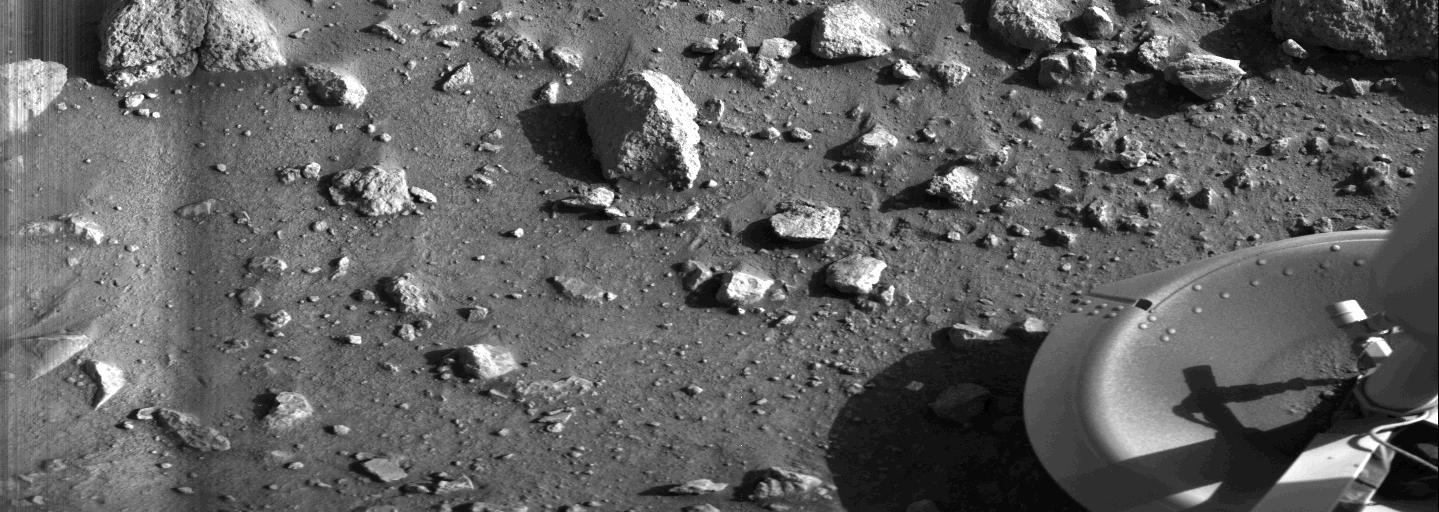
A stationary laboratory that photographed, sampled, and monitored Mars from Chryse Planitia for more than six years.
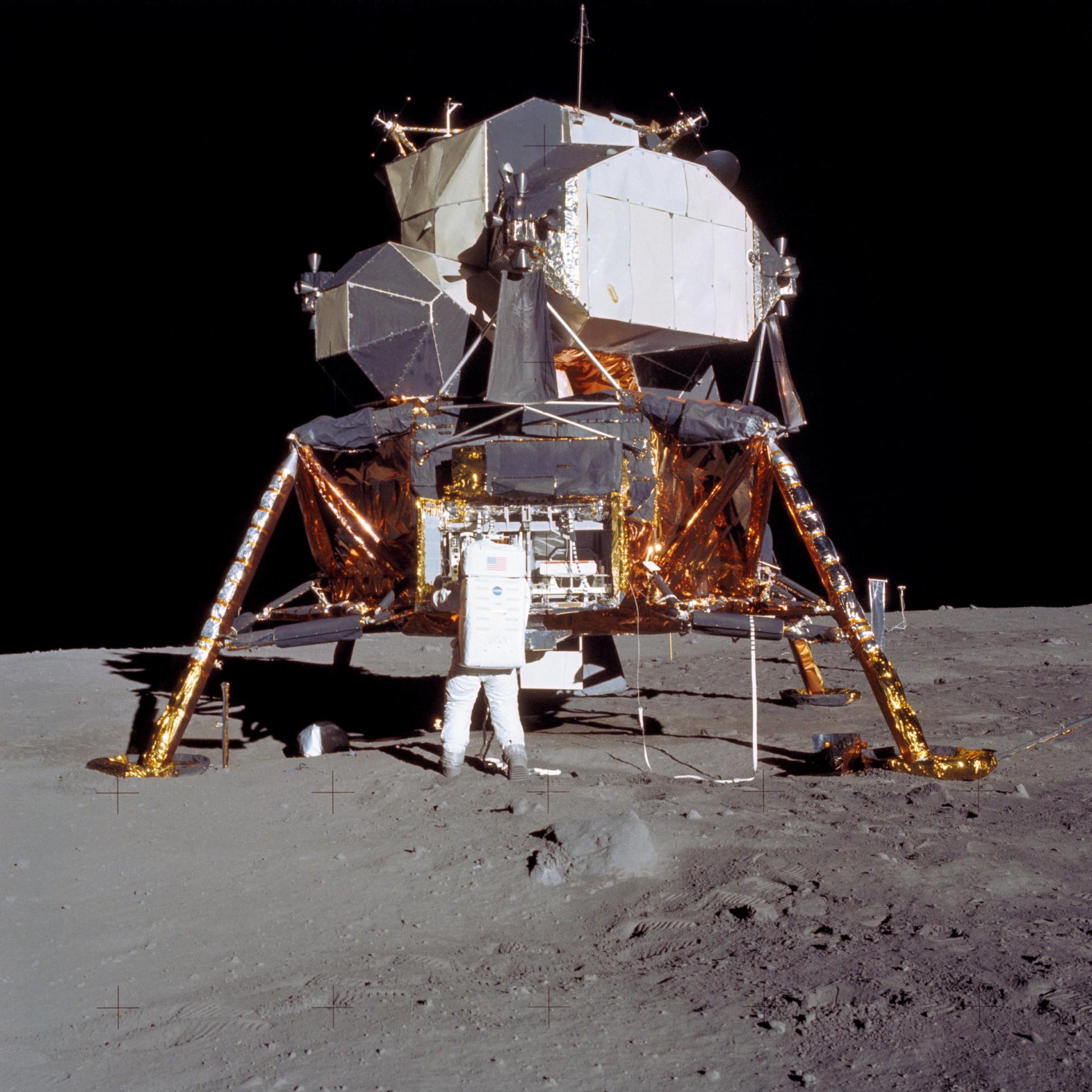
The lower half of Eagle stayed at Tranquility Base after carrying two astronauts safely to the lunar surface.