InSight
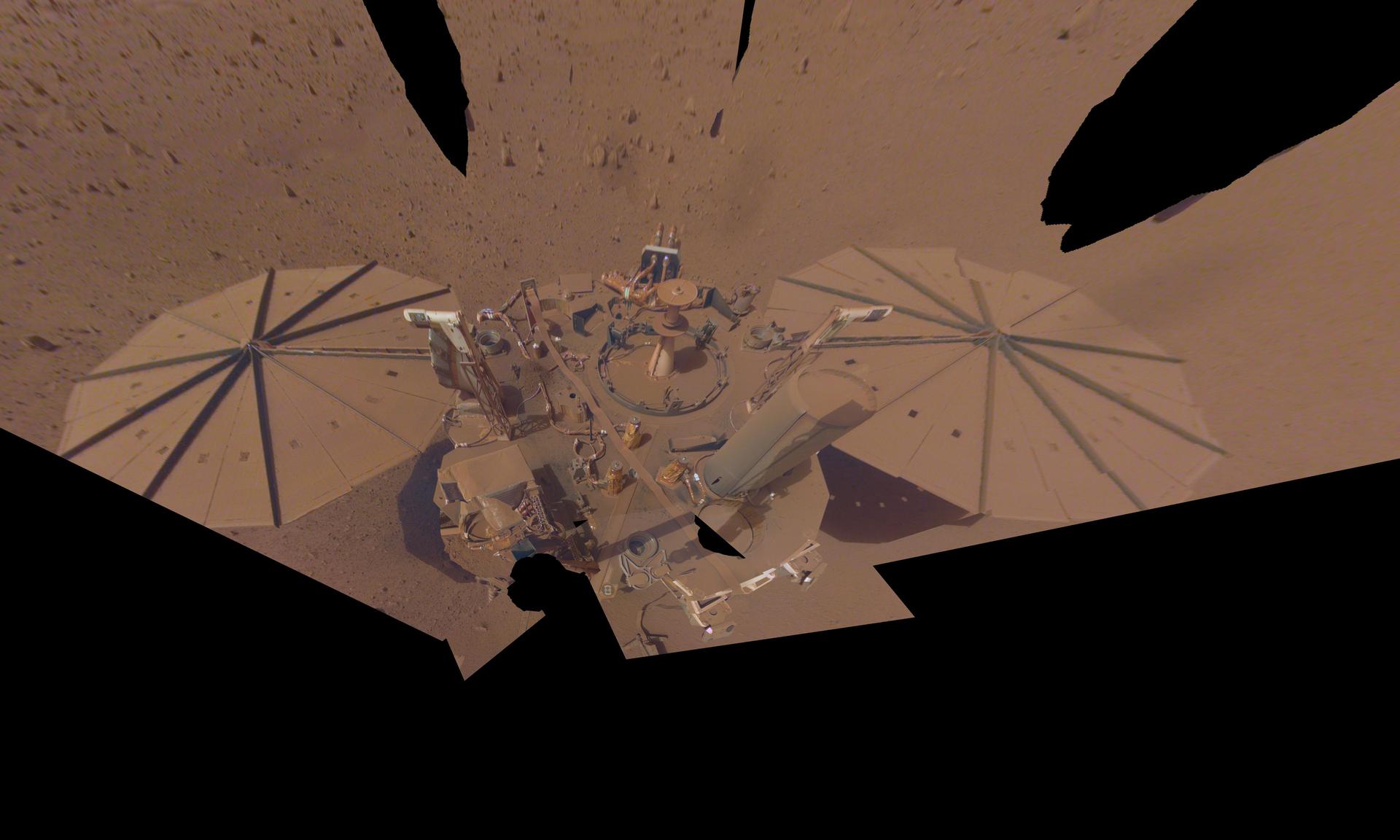
A geophysical station that used marsquakes and radio tracking to reveal the structure inside Mars.
LandersPhoto mosaic
The first long-lived scientific station on the surface of Mars.
Viking 1 arrived as a complete field laboratory. It photographed the landscape, reached into the soil, watched Martian weather, and ran direct life-detection experiments. Its biology results did not establish conclusive evidence of life, but the measurements changed how scientists ask that question and created a detailed record of one place on Mars.
Study the appearance, weather, chemistry, physical properties, and possible biological activity of the Martian surface and atmosphere.
Radioisotope generators powered a fixed platform. Scan cameras surveyed the site, a sampler arm delivered soil to onboard experiments, meteorology sensors watched the atmosphere, and radios sent results directly or through the orbiter.
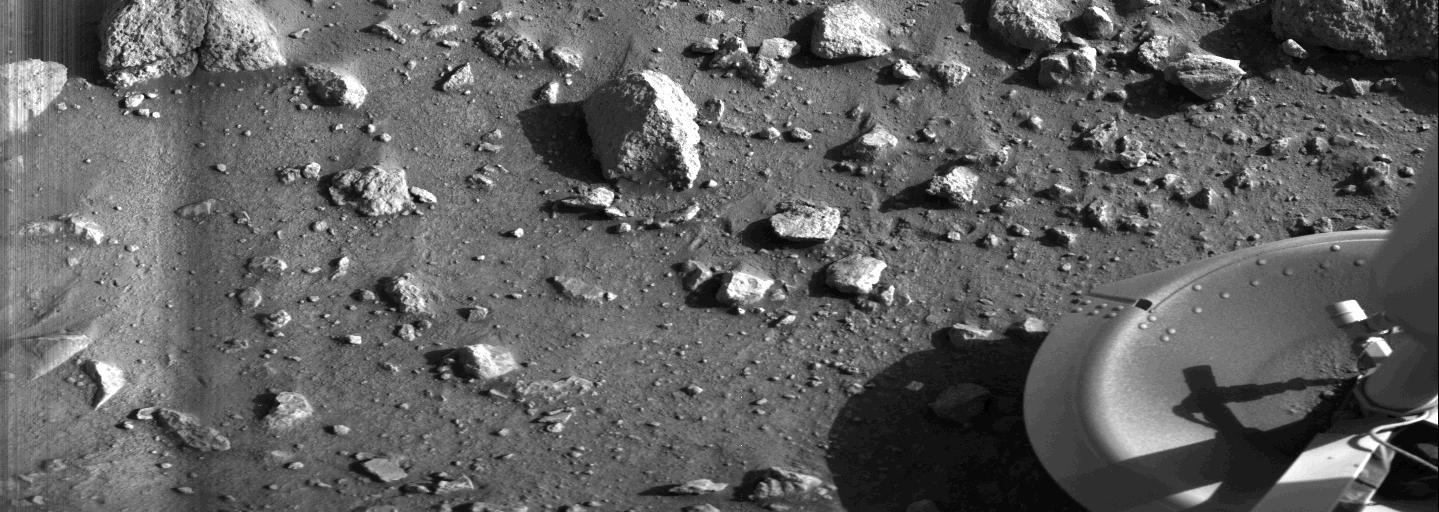
Returned the first photograph transmitted from the Martian surface and began a long record of the Chryse Planitia environment.
Measured soil chemistry and weather and performed direct biology experiments; those experiments did not establish conclusive evidence of life.
The orbiter-lander spacecraft begins its journey to Mars.
Orbital images help certify the landing site before separation.
Viking 1 lands in western Chryse Planitia and starts transmitting its first surface view about 25 seconds later.
After freeing a sampler-arm locking pin, the lander begins delivering Martian material to onboard experiments.
Contact is lost in November. NASA records disagree on the exact day, so this timeline does not invent one.
Historical imagery, with its original context and credits. Select a photograph to look closer.
The first image from Viking 1 on 20 July 1976. It shows the nearby surface and a footpad, not the entire lander. PIA00381.
NASA / JPLOriginal archive entryEducational wording and data structuring are AI-assisted. The historical and scientific claims above are linked to the records below. No AI-generated media is used.
Supports the accessible mission story, scientific contributions, and the documented disagreement over the final-contact day.
Drives Viking dates, planetocentric location, engineering explanation, timeline, and status note.
Primary Viking profile photograph, captioned as a view from the lander rather than a photograph of the full craft.
A geophysical station that used marsquakes and radio tracking to reveal the structure inside Mars.
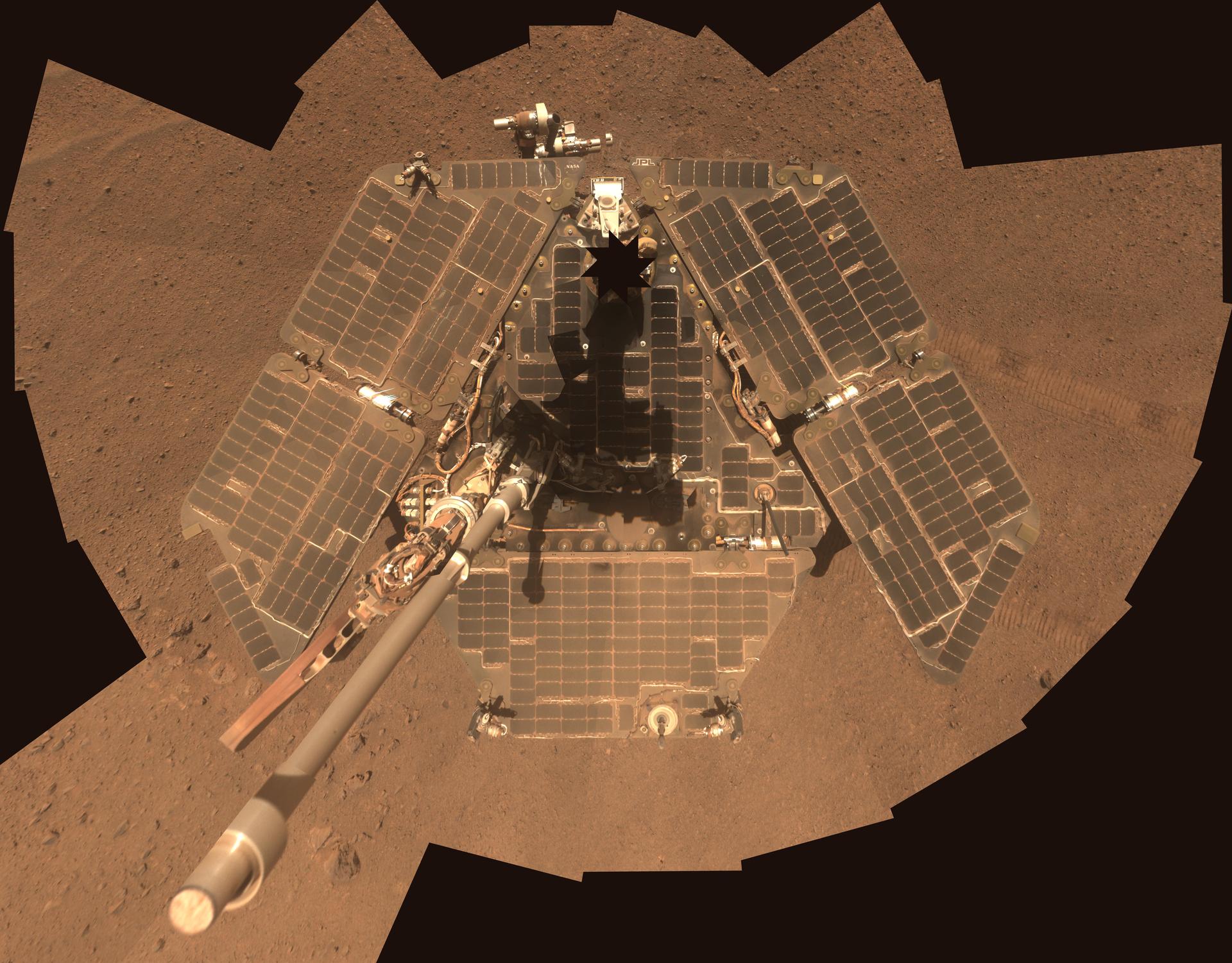
A solar-powered robotic geologist that followed the mineral and rock record of ancient water across Meridiani Planum.
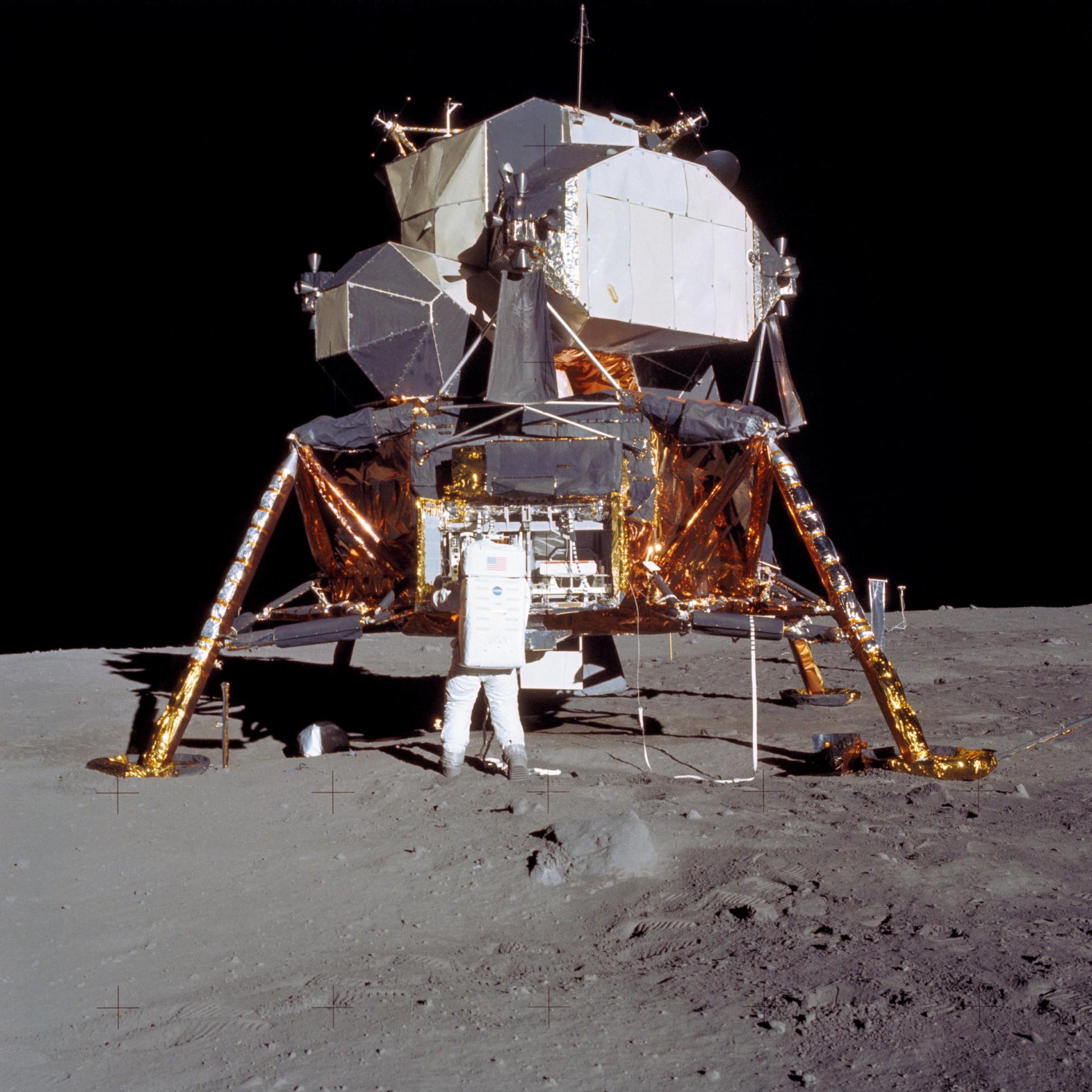
The lower half of Eagle stayed at Tranquility Base after carrying two astronauts safely to the lunar surface.